LEED v4 Registration Ends - LEED v5 Begins - Now Extended to June 30, 2027!

UPDATE: USGBC has announced that LEED v4 and v4.1 registration for commercial projects has been extended through June 30, 2027! Breathe, design, register by next summer.

As the LEED rating system continues to evolve, USGBC has announced the deadline for registering projects under v4 is June 30, 2026. Projects registered by the deadline will have until June 30, 2032 to submit documentation for initial design review.

So what is LEED v5 all about? The short answer is that it builds on existing credits, while adding an emphasis on carbon reduction via the introduction of several new prerequisites. Credits that fall within the “Decarbonization” impact category will now make up 50% of total points available. The rest of the points are allocated equally between “Quality of Life” and “Ecological Conservation and Restoration” impacts. 
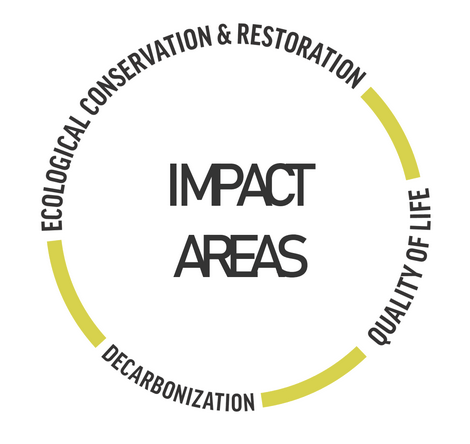
Additionally, from the USGBC press release: “All LEED v5 projects will complete an operational carbon projection and will be given tools to craft a comprehensive, long-term decarbonization strategy, creating pathways for sustainable transformation... [Projects] will [also] complete climate resilience assessments to enhance awareness of hazards, increase transparency of risks, reduce vulnerabilities, and ensure long-term safety and sustainability.”

 For a more comprehensive summary, take a look at our blog post on the topic or see the USGBC’s press release from last year.

Got a LEED project you’d like to discuss. Reach out!

In Balance Welcomes Christy Davis to Our Team!

We’re delighted to announce that Christy Davis has joined the In Balance team. She brings 25 years of experience in business development, sales, and marketing with specialized expertise in commercial, residential, and sustainable green home projects across California’s Central Coast. She holds a bachelor’s degree in Business Administration from USC and comes to us most recently from the Central Coast Green Building Council.

Christy will be supporting our outreach and communications work for Regional Energy Networks (RENs), and given her skills, pretty much anything else we can send her way!

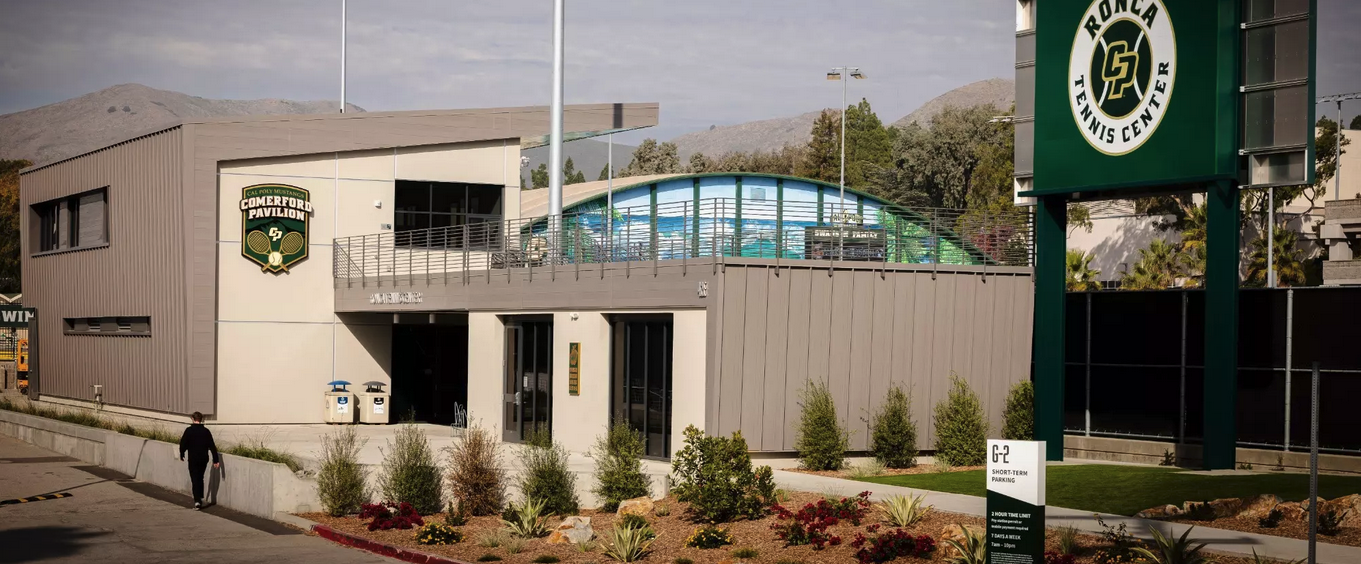
Congratulations to Cal Poly on their LEED Certified Tennis Clubhouse!

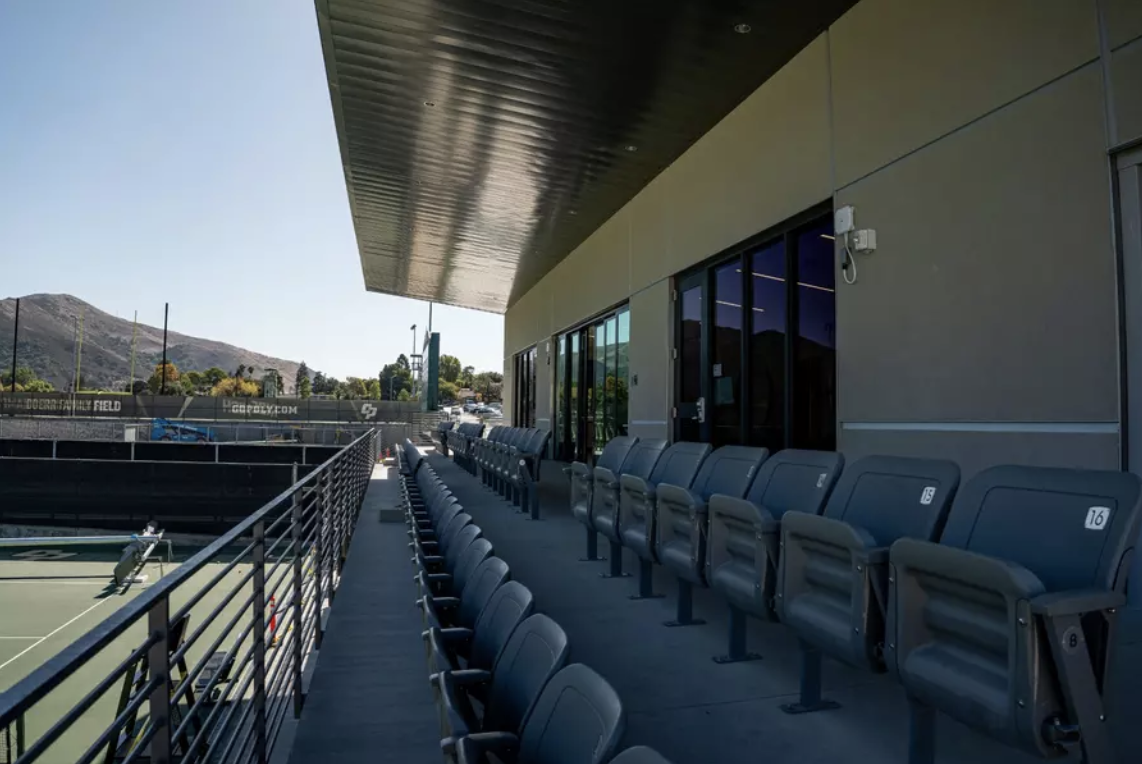
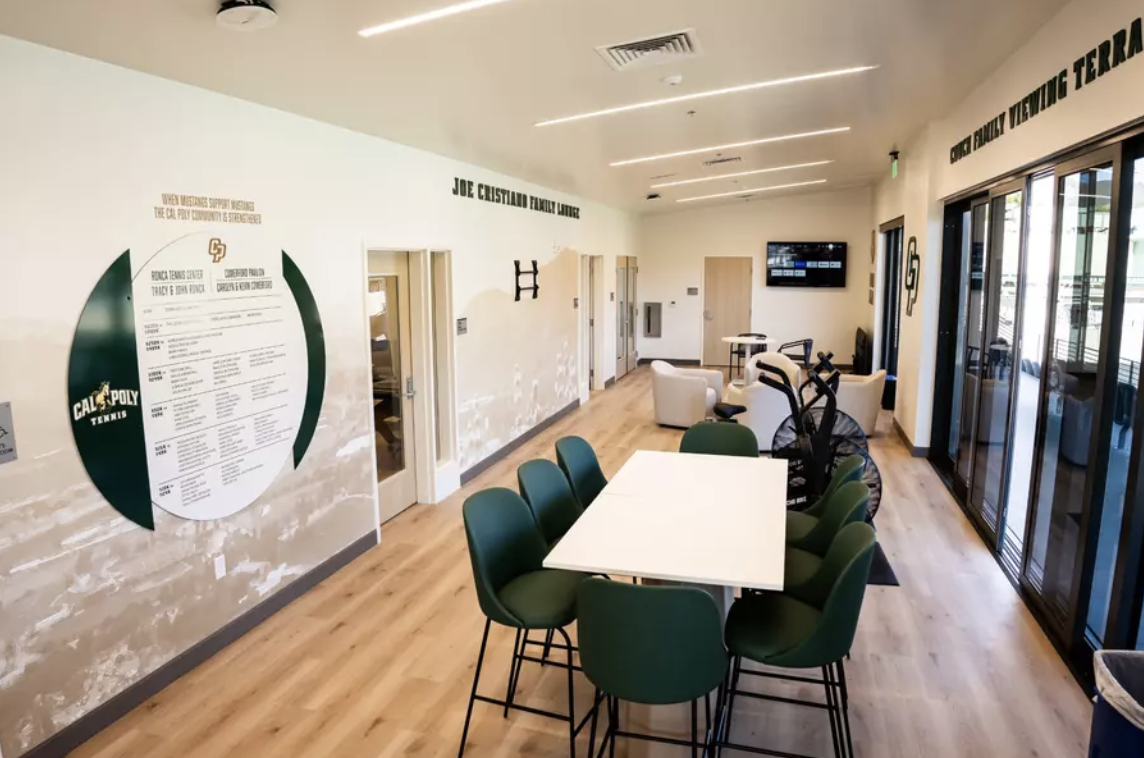
The Cal Poly tennis programs have a new home on campus - a two-story facility that provides elevated seating for fans as well as player lounges, coach offices, team meeting space and locker rooms.

In pursuing LEED certification, the project created open space (hello roof deck!) and reduced heat island effects for the comfort of spectators. It secured the majority of its points in the energy category, incorporating enhanced commissioning and offsetting nearly 25% of its annual energy use through campus PV production.

Courtesy of Cal Poly Athletics

The design team was also able to reuse an existing support building on the site to create the adjacent snack and juice bar, connected to the clubhouse under that rooftop deck. By retaining over 60% of the structure, the project achieved almost all the points available in the Building Life Cycle Impact Reduction credit.

The project team included:

  • PBK Architects

  • Cannon Corp., Civil

  • SSG Engineers, Structural

  • 3C Engineering Inc., MEP

  • Maino Construction

  • In Balance Green Consulting - LEED certification services

Congratulations!!

Heat Pump Water Heater Sound Mitigation Strategies

As more homes move to heat pump water heaters (HPWHs), we hear from clients that some homeowners are still skeptical about making the shift. Their concerns aren’t always performance based, but rather they are concerned about noise levels. Water heater unit selection and design strategies can have a significant impact in reducing noise transmission.

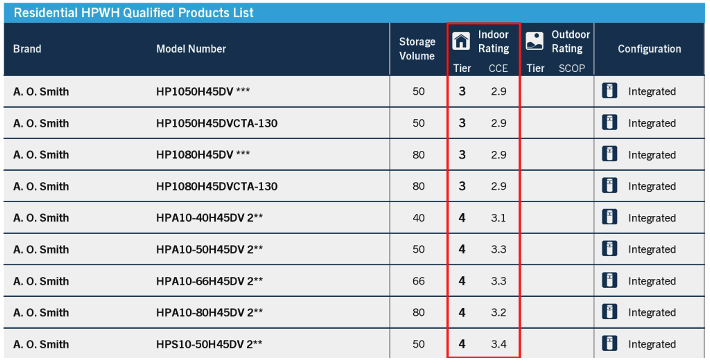
The sound associated with HPWHs varies by make and model, but most are rated between 45db and 55db, similar to the noise level of many dishwashers or clothes dryers. If the HPWH is making noise at higher levels or if the unit is making rattling or high-pitched noises, the unit should be inspected for improper function. NEEA-rated water heaters have sound ratings, which can be helpful when selecting a water heater. To find the sound rating of NEEA-rated water heaters:

  • Look for HPWHs rated either Tier 4 or Tier 5 for the quietest water heater options

You’ll notice on the Qualified Products List that split system HPWHs, like Harvest Thermal or SANCO2, don’t list an indoor rating. These units can have the outdoor unit ground-mounted outside and located away from the occupant’s favored rooms, while the silent hot water storage tank with no moving parts can be located indoors and as close as possible to the hot water fixtures.

In general, regardless of which HPWH is specified for a project, there are some best practices that can help alleviate noise perceived by the occupants.

  • Install the unit in a garage or large utility room or closet that is acoustically isolated from the rest of the house. Don’t install units along bedroom walls or on the backside of bedroom walls.

  • Make sure the unit is installed on the ground level. Use R-10 rigid foam base (25 psi closed cell) on slab-on-grade construction. Additionally consider using a sound/vibration isolation base for installations on raised floors.

  • Use PEX piping between the unit and other non-flexible piping. Flexible PEX piping can help isolate sound transmitting into rigid pipe and other structural fasteners.

  • Use flexible seismic strapping or use sound/vibration isolation fasteners where the metal seismic strapping is attached to the structure.

  • If using duct kits, install flexible (R-6) ducts for all, or a portion of, the duct intake and exhaust and use sound isolation fittings at the duct terminations.

Original source: Rheem marketing material

For sound sensitive homeowners and occupants, consider using sound transmission class (STC) reduction construction techniques both at the sound source and at the receiver (occupant) favored spaces, in addition to the recommendations above.

A combination of these strategies can be applied to create a solution addressing noise concerns, without having to compromise on the energy efficiency benefits that come with installing a heat pump water heater in your project.