
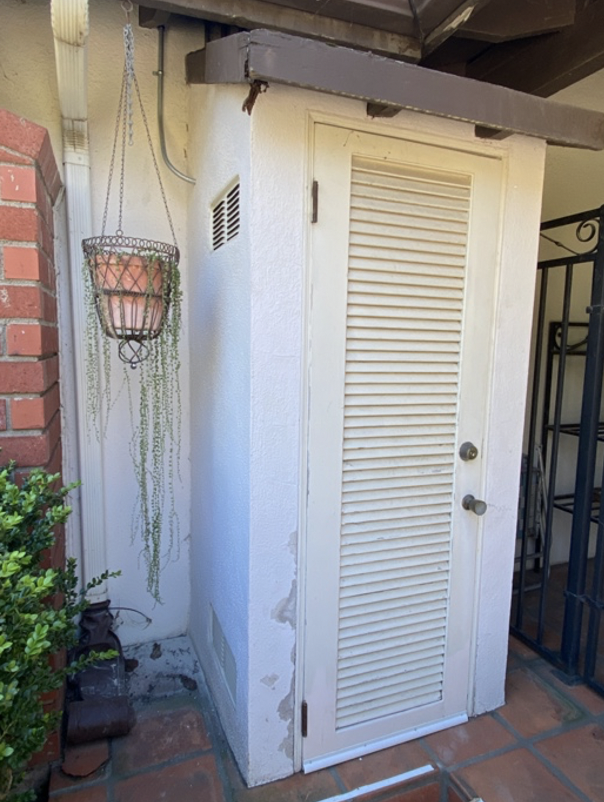
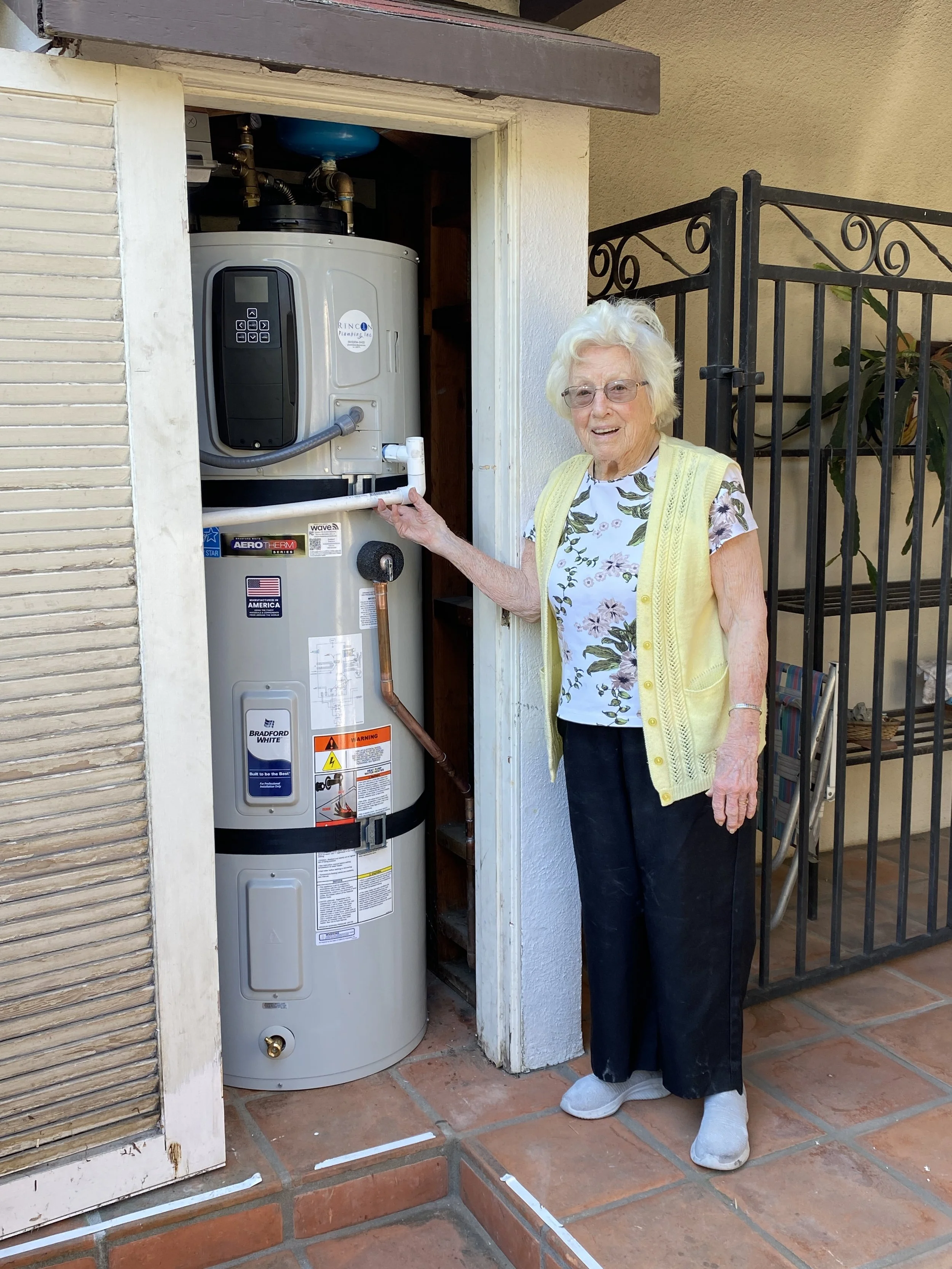
In theory, swapping out a water heater is pretty easy, especially when you exchange like for like. However, replacing electric resistance or gas with heat pump water heaters (HPWH) can lead to a few wrinkles, especially when you have limited space. With the right information and knowledgeable tradespeople, these can be surmounted. Just ask our 103-yr old neighbor! [More on her experience below.]
By now, most of us know that heat pump water heaters are highly efficient, up to four times better than their conventional electric resistance precursors. They are on par with high efficiency on-demand gas units and can cost about the same to operate depending on natural gas prices - providing a key ingredient for any project that is targeting all-electric status. On top of that, they provide cooling and dehumidification for the surrounding spaces, reduce greenhouse gas emissions, and many are eligible for a variety of incentives.
On the other hand, real barriers do exist to making the switch including cost, timing, electrical capacity, and equipment location. Add in code requirements for ventilation, and the average customer who just wants their hot water back is tempted to go with “easy”.
All of this was in play for our neighbor, yet with a little support and a small upcharge, she is now the proud owner of a new 50 gallon HPWH.
Lessons learned
1. Know where to look for incentives



Check your utility bill and contact your electricity provider to see what they offer. The Tri-County Regional Energy Network (3C-REN) is also running their Home Energy Savings incentive program. In our neighbor’s case, she reached out to Santa Barbara Clean Energy (SBCE) and learned that they provide assistance with permitting (instant and free), as well as incentives of $500-3500 based on equipment being replaced, with an additional $2000-4000 available for associated electrical work. 3C-REN provided an additional $500 incentive based on energy savings. The Switch is On is also a valuable statewide resource.
2. Find knowledgeable tradespeople
Most incentive programs maintain lists of participating contractors. In this case, a quick look through SBCE’s list identified 2 plumbing firms that specifically worked on HPWHs in her area. Contacting them led to connections with electricians and a water heater loaner program that bought (via $1000 for the contractor) everyone some time to make the decisions that were right for the project.
3. Check the codes and requirements
· Equipment size: Be sure to check the equipment dimensions and clearances on the equipment you plan to use.
Initially our neighbor wanted a 50 gallon 110v unit, for lower cost and ease of installation (there was already a 110v circuit in place). However, the tank diameter was too large for the existing exterior cabinet doorway. It is common for 110v units to make up for a lack of backup electric resistance heating with a larger tank.
· Electrical: Take a comprehensive look at your electrical capacity and circuitry, then look for incentives if needed.
Switching to 240v unit was our neighbor’s next option. The unit fit the cabinet, but it would present additional costs for the equipment and, potentially, for a new circuit. Concern that her 100-amp panel would need to be upgraded was allayed when a savvy electrician realized there was an unused 240v circuit wired for the dryer (hers is gas!). The wiring was just rerouted to the water heater location.
· Code requirements: While clearances for HPWHs are generally less than for gas equipment and exhaust ducting can be avoided, there are requirements for available air intake volumes (aka ventilation) and plumbing insulation that need to take a cabinet or closet install into consideration.
The 2025 code requires either:
1. A minimum of 100 cubic feet per kBtu per hour of compressor capacity for intake air. This is typically about 420 cubic feet, so garages can be good options.
OR
2. Venting to communicating space via permanent openings (usually louvered doors, but it can be through ducting) per the Net Free Area calcs below.
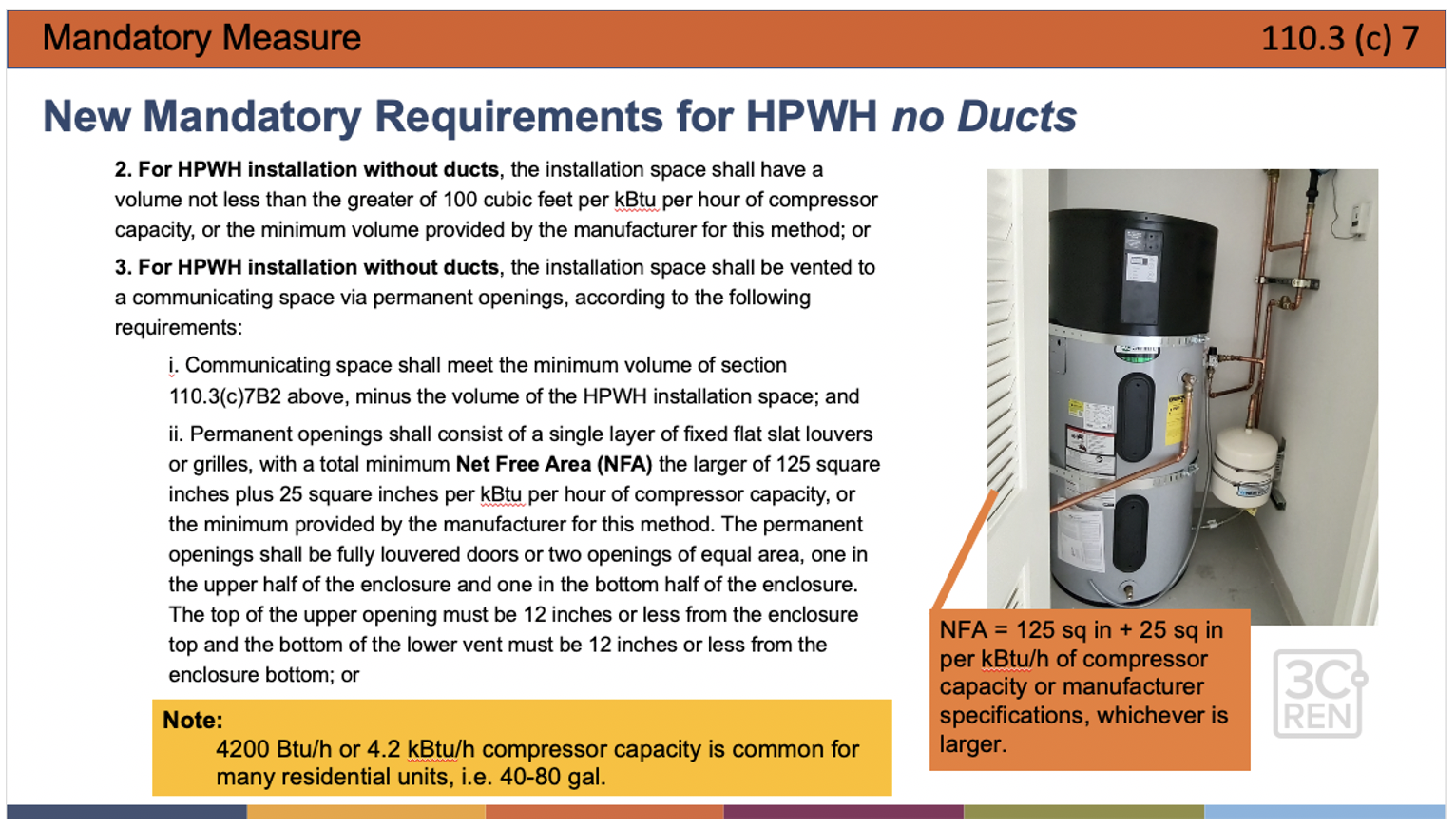
Our neighbor installed her HPWH in an exterior cabinet with a 15” wide fully louvered door, plus some side vents, that allowed it to just meet the ventilation requirements.
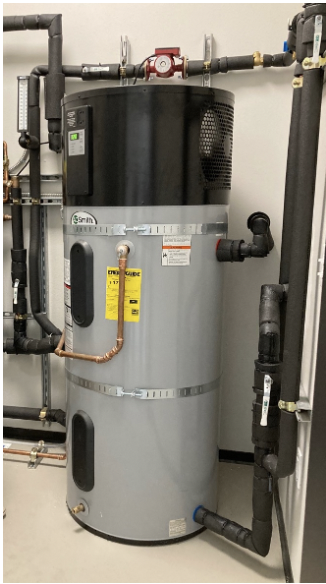
For piping insulation, the key is that all hot water piping shall be insulated per Chapter 6 Section 609.11. Piping surrounded with a minimum of 1 inch of wall insulation, 2 inches of crawl space insulation, or 4 inches of attic insulation, are not required to have pipe insulation.
4. Do the math -
Of course, every project presents different challenges and opportunities. For this one, the math worked out well to support switching to a HPWH.
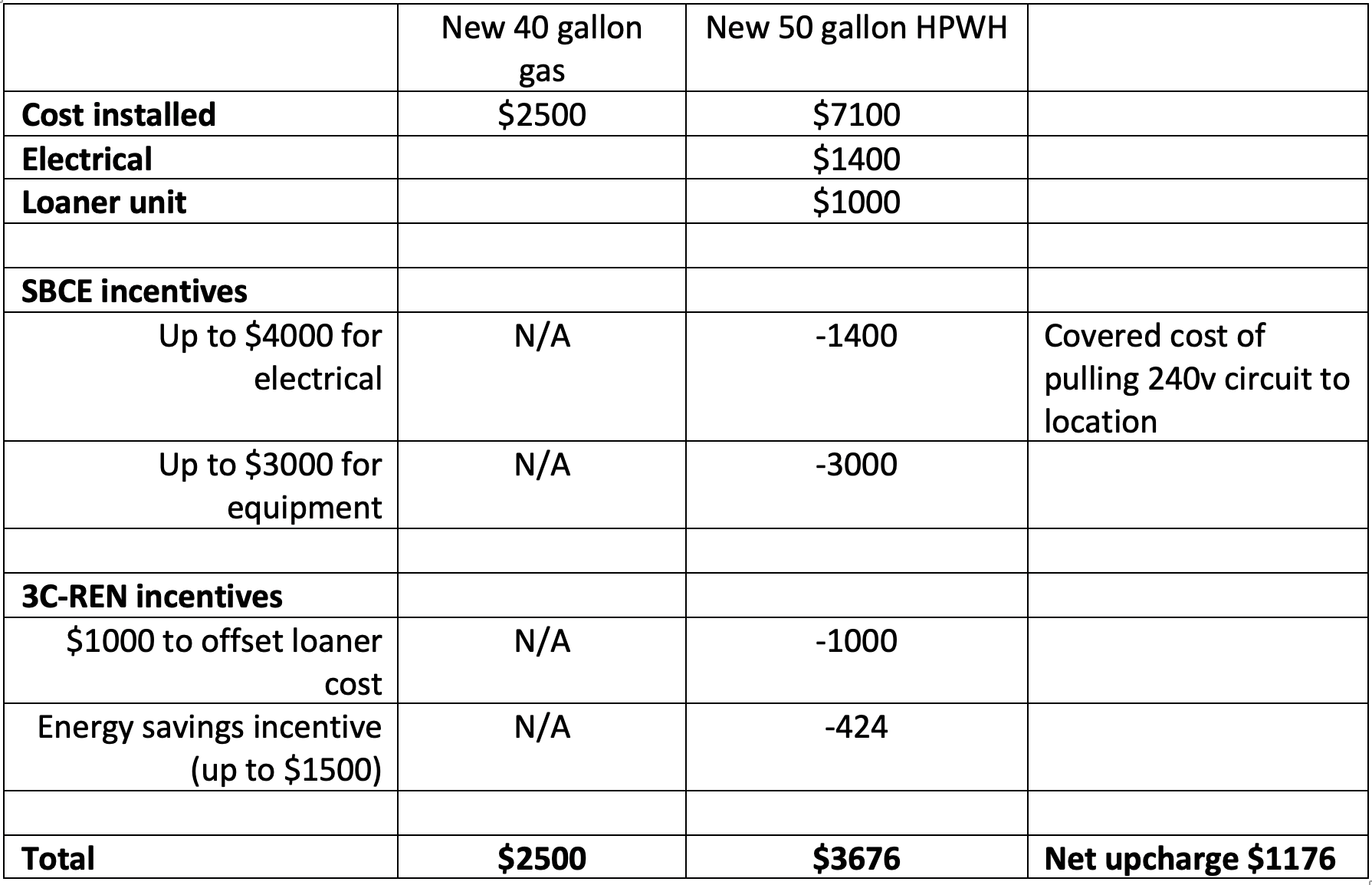
A new standard 40 gallon gas heater was priced at $2500.
The final cost for the 50 gallon HPWH (240v) installed came to $7100.
This is quite a difference, until the incentives our neighbor qualified for are taken into account.
All told, it cost an extra $1176 to install the HPWH. This could have been reduced a further with more qualifying energy savings under 3C-REN’s incentive, but was limited by the overall household energy use. Our neighbor’s reaction, “You’ve got to do what you can!”